
Fractional RF Microneedling
A considered approach to smooter, firmer looking skin.

When your skin begins to feel less firm, fine lines become more noticeable or old acne marks affect its texture, choosing the right treatment starts with understanding your skin.
RF microneedling combines fine needles with radiofrequency energy to support gradual skin remodelling. At Revive Esthetics, your treatment is planned around your concerns, skin condition and recovery needs, with an honest discussion about what it may achieve.
Skin quality, thoughtfully considered.
Explore a personalised approach to fine line, uneven texture, selected acne scars and mild skin laxity
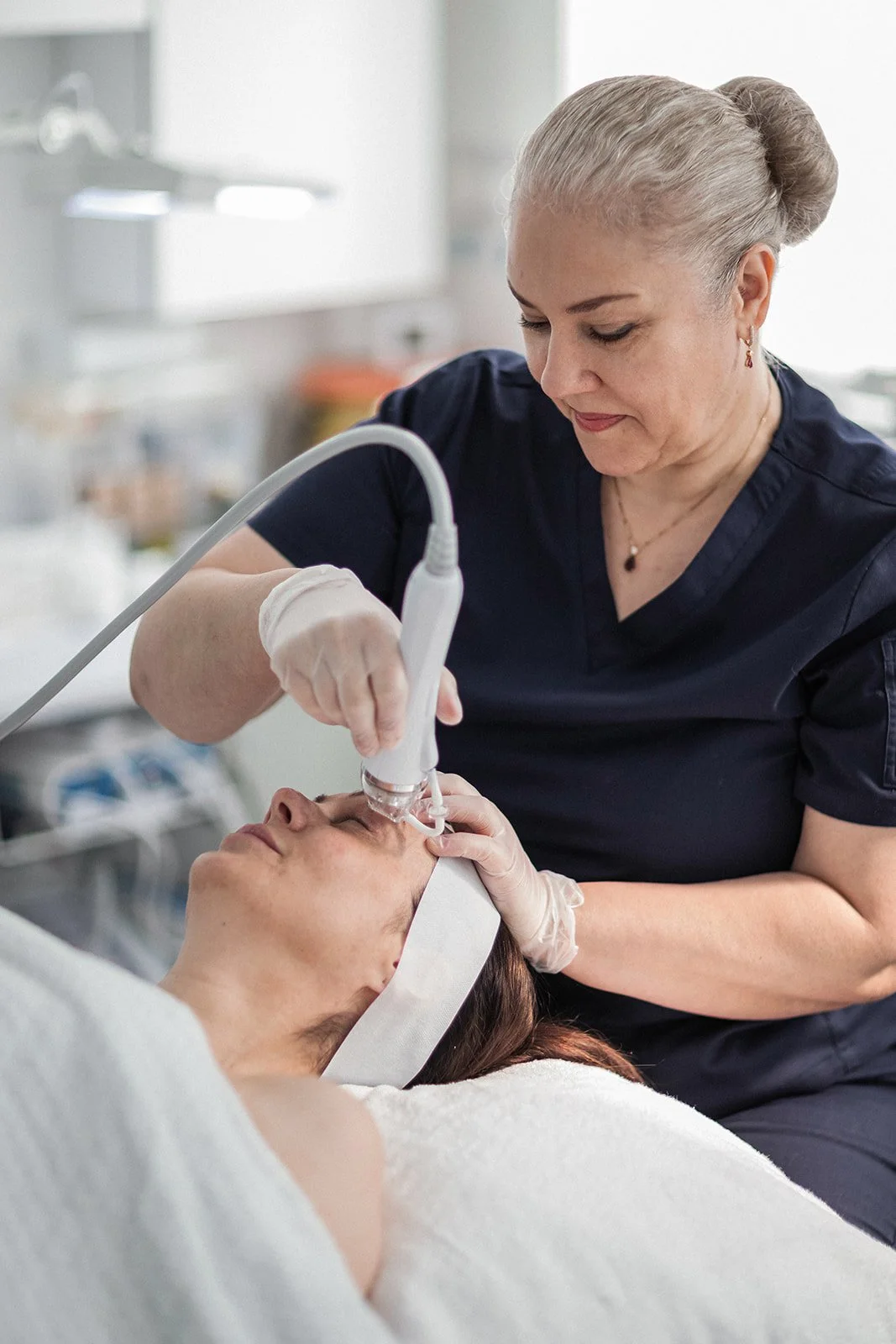
Fractional RF Microneedling (Morpheus8) is a ground-breaking treatment that combines the age-old wisdom of microneedling with advanced fractional technology. This synergistic approach gently punctures the skin with tiny needles, creating micro-injuries that stimulate the body's natural healing processes. As a result, collagen and elastin production are significantly enhanced, leading to visibly smoother, firmer, and more youthful-looking skin.
Why Choose Fractional RF Microneedling?
This non-invasive procedure leverages the power of fractionated radiofrequency energy to penetrate deep beneath the skin's surface, remodelling and contouring your face and body with unparalleled precision. The result is a dramatic improvement in skin texture, tone, and tightness, with minimal downtime.
RF microneedling is a minimally invasive treatment that combines microneedling with heat delivered by radiofrequency energy. Fine needles enter the skin, allowing energy to be delivered at selected depths.
This controlled treatment stimulates repair and collagen remodelling. As the skin responds over time, some people notice improvements in texture, fine lines and firmness. It can also be considered for selected types of established acne scarring.
The device, treatment settings, skin condition and area treated all influence both the result and the recovery. We explain the approach proposed for you before you decide whether to proceed.
* RF microneedling is not surgery and cannot reproduce a surgical facelift or remove significant excess skin.
What to expect
-
Your treatment begins with a conversation
Before your first treatment, we take time to understand your concerns, what you have noticed about your skin and the improvements you would like to explore.
We assess the proposed treatment area and discuss your skin condition, medical history, previous procedures and expectations. Where appropriate, clinical photographs and our 3D skin analysis help document your starting point and support your personalised plan.
RF Microneedling may be considered for selected concerns, including uneven texture, fine lines, established acne scars and mild skin laxity. It is not suitable for everyone and cannot reproduce the results of surgery.
What we need to know
Please tell us about:
Any medical conditions, allergies, prescribed medication or supplements.
Pregnancy or breastfeeding.
A pacemaker, implanted electronic device, metal implant or other implant.
Active acne, cold sores, infection, open wounds or an irritated skin condition.
A history of poor healing, raised scars or changes in skin pigmentation.
Conditions or treatments that affect your immunity, bleeding or healing.
Current or recent isotretinoin use.
Recent sunburn, tanning or planned sun exposure.
Previous surgery, threads, fillers, skin boosters, anti-wrinkle injections, laser or other skin treatments.
This is not an exhaustive list. Some circumstances require postponement, medical advice or an alternative treatment. Please do not stop prescribed medication without advice from your prescriber.
Your personalised recommendation
If treatment is appropriate, we explain the proposed areas, likely benefits, limitations, recovery, possible complications and full cost. We also discuss alternatives, including choosing not to proceed.
You will have an opportunity to ask questions and time to consider your options. A consultation does not commit you to treatment.cription text goes here
-
Before your appointment
We provide preparation advice suited to your skin and treatment plan. This includes guidance about sun exposure, skincare and the timing of other procedures.
Tell us if your health, medication or skin condition changes before your appointment. If you develop a cold sore, infection, rash or sunburn, please contact us before attending.
We will explain whether you need to pause products such as retinoids or exfoliating acids and when to do so.
Preparing your skin
At your appointment, we review the agreed plan and answer any remaining questions before confirming consent.
Your skin is cleansed and prepared. A topical numbing cream may be used where appropriate, with time allowed for it to take effect. We explain the comfort measures available and check how you are feeling throughout.
During treatment
The RF microneedling handpiece is applied systematically to the agreed area. Fine needles enter the skin and deliver radiofrequency energy, creating controlled heating intended to stimulate repair and remodelling.
The treatment approach is selected according to your skin, the area being treated and the device being used.
You may feel pressure, prickling and heat. Some areas can feel more sensitive than others. Numbing can reduce discomfort, but treatment is not guaranteed to be painless. Please tell us if you are uncomfortable so we can pause and reassess.
Immediately afterwards
Your skin may look red and feel warm, sensitive or slightly swollen. Small treatment marks and pinpoint bleeding can occur.
Before you leave, we explain your expected recovery, explain aftercare and tell you how to contact us if you have concerns.
The overall appointment time depends on the treatment area, preparation and whether numbing is used. We confirm how much time to allow when.
-
RF Microneedling works through a gradual healing and remodelling process. It is not an instant treatment, and any immediate fullness or tightening may partly reflect temporary swelling.
Improvements may develop over the following weeks, with further changes over several months. Your response depends on factors including your skin condition, the concern being addressed, the treatment plan and quality of homecare used.
Some people experience more noticeable improvement than others, and some see limited benefit. Results cannot be guaranteed.
Immediately after treatment
You may experience redness, warmth, tenderness and swelling. Your skin may feel tight, and small marks may be visible.
Over the following days
Dryness, roughness, flaking or mild crusting can develop. Redness and swelling often settle over several days, although recovery may take longer depending on your skin and treatment.
Avoid picking, scrubbing or attempting to remove flaking skin. Let it settle naturally and follow your written aftercare.
Returning to your routine
Your return to work and social activities depends on your recovery and the nature of your activities. Some people feel comfortable returning relatively soon, while others prefer time away from face-to-face commitments.
Please discuss important events, holidays and work involving heat, dust or other potential irritants before booking. Allow a margin for recovery rather than scheduling treatment immediately before an occasion.
We advise you when to resume makeup, exercise and your usual skincare.
Planning further sessions
A course may be recommended, but the number and spacing of appointments are individual. We consider your response and recovery before recommending further treatment.
Follow-up photographs may help us assess changes more consistently. Maintenance can be discussed where appropriate, recognising that ageing and environmental exposure continue after treatment.
-
Understanding possible reactions
RF Microneedling is minimally invasive and carries risks. Expected reactions can include redness, swelling, sensitivity, dryness, flaking, bruising, pinpoint bleeding and temporary treatment marks.
Other complications can include infection, cold-sore reactivation and changes in skin colour.
Serious complications reported with RF microneedling include burns, scarring, unwanted fat loss, changes in facial contour and nerve injury. Some complications can be lasting and require medical treatment.
We discuss the risks relevant to your treatment, along with alternatives, before you decide whether to proceed.
Gentle care while your skin recovers
Follow the written aftercare provided for your treatment. Your instructions may differ according to the area treated and your skin’s response.
Wash your hands before touching the treated area and avoid unnecessary touching.
Cleanse gently using the products and timing recommended for you.
Use only the aftercare products advised during the initial recovery period.
Avoid rubbing, scratching, exfoliating or picking the skin.
Keep makeup brushes, towels and pillowcases clean.
Wait until advised before applying makeup or restarting active skincare.
Avoid home skin devices and further procedures on the area until cleared.
Heat, exercise and swimming
Avoid saunas, steam rooms, hot baths, swimming and strenuous exercise for the period advised in your aftercare instructions.
These activities may increase irritation or interfere with early recovery. If you are unsure whether an activity is appropriate, please ask before resuming it.
Sun protection
Protect your skin from direct sunlight and avoid tanning while it heals. Use shade and physical protection immediately after treatment.
Apply broad-spectrum SPF 30 or higher once advised that your skin can tolerate it, and continue daily sun protection as part of your routine.
Restarting your usual skincare
Products containing retinoids, exfoliating acids and other potentially irritating ingredients should only be restarted when your skin has recovered sufficiently and you have been advised to do so.
Do not exfoliate simply because your skin feels rough or begins to flake. Contact us if you are unsure about a product.
When to contact us
Please contact the clinic promptly if you notice:
Pain, redness or swelling that is increasing rather than settling.
Blistering, discharge or spreading redness.
Persistent numbness, unusual weakness or unexpected changes in skin colour.
An unexpected change in skin texture or contour.
Symptoms that concern you or recovery that differs from the advice provided.
Seek urgent medical assessment for severe or rapidly worsening symptoms, particularly if you feel unwell. If you cannot reach the clinic and need urgent advice, contact NHS 111. Call 999 for a life-threatening emergency.
Your care continues after your appointment
We encourage you to contact us with questions during recovery. Your follow-up is an opportunity to review your skin, discuss your experience and decide whether any further treatment is appropriate.