
DermaPen Microneedling
Skin renewal, thoughtfully personalised.
A considered approach to fine lines, uneven texture and selected acne scars.
Beautiful skin has its own character. Caring for it begins with understanding what has changed and choosing an approach that respects its individual needs.
At Revive Esthetics, Microneedling is planned around your skin, your concerns and your priorities. Whether you are noticing uneven texture, fine lines or the lasting effects of acne, your journey begins with a personal consultation.
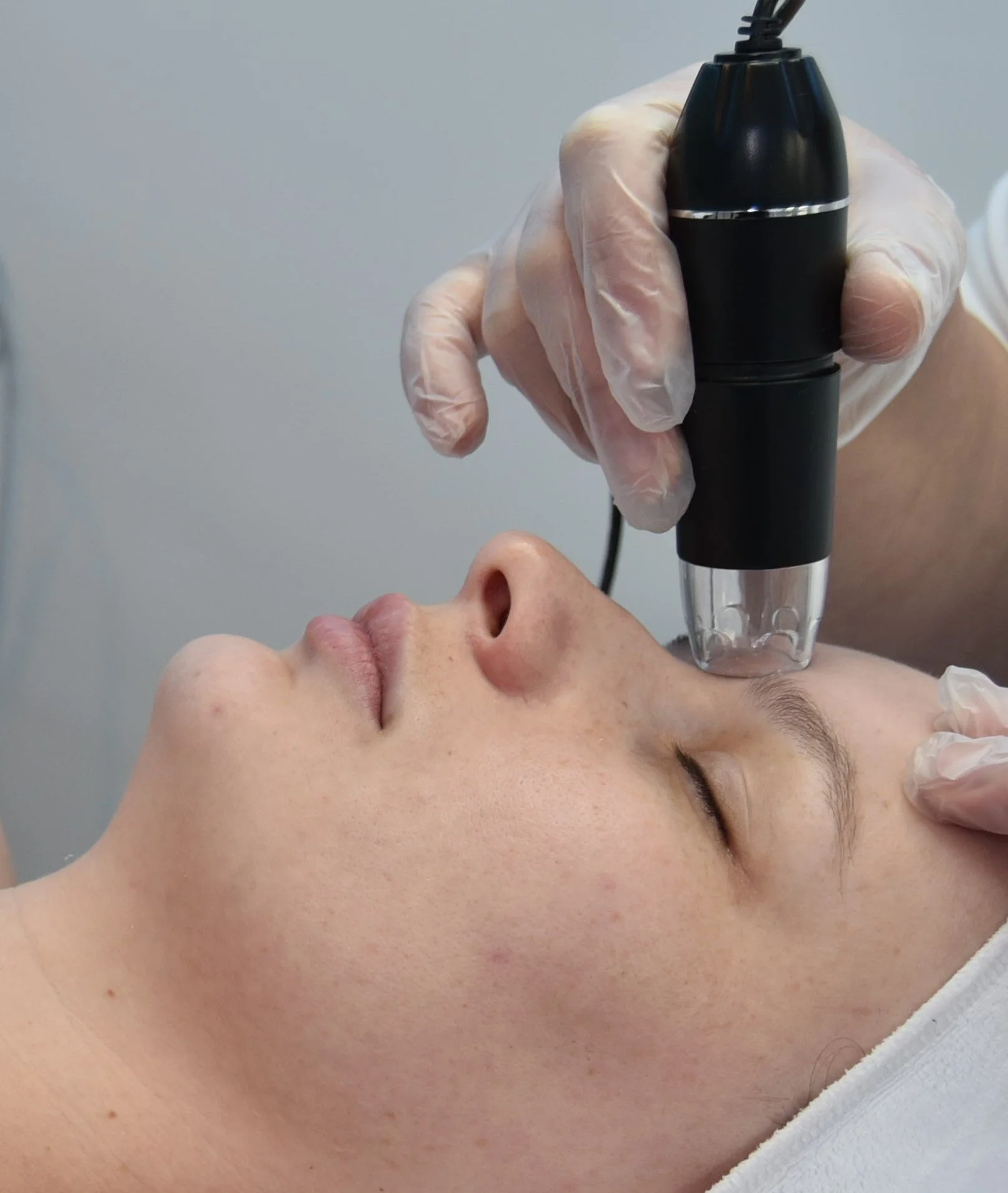
Skin quality, beyond the surface.
Microneedling, also known as collagen induction therapy or dermarolling, is a cosmetic procedure that involves the use of a device with fine needles to create controlled micro-injuries in the skin.
The primary purpose of microneedling is to stimulate the skin's natural wound healing processes, leading to increased collagen and elastin production, which can improve the texture, tone, and overall quality of the skin.
Your treatment approach is selected following assessment. We explain what may be achievable, what the procedure involves and whether another option would better suit your skin.
Concerns
Fine Lines and Wrinkles: Microneedling can reduce the appearance of fine lines and wrinkles, particularly those caused by aging or sun damage.
Scars: It is effective in treating scars, including acne scars, surgical scars, and scars from injuries. Microneedling can break down scar tissue and stimulate the production of new, healthy skin cells.
Uneven Skin Tone: Microneedling can help improve the appearance of hyperpigmentation, sunspots, and melasma, resulting in a more even skin tone.
Skin Texture: This procedure can refine the skin's texture, making it smoother and softer.
Stretch Marks: Microneedling may reduce the appearance of stretch marks by promoting collagen production in the affected areas.
Pore Size: It can help minimize the appearance of enlarged pores.
Multiple microneedling sessions are usually recommended to achieve the best results, with each session spaced several weeks apart. The exact number of sessions needed depends on the individual's skin concerns and goals.
Your skin. Your priorities. Your plan.
Understand
We take time to discuss the changes you have noticed, your previous experiences and the improvements you would like to explore.
Recommend
Your plan considers your skin condition, medical history, previous procedures and recovery preferences. We explain the benefits, limitations and alternatives before you decide.
Personal Care
From preparation through to review, you receive individual guidance and a clear route to contact us with questions.
What to Expect
-
Understanding your skin
Before your first treatment, we assess your concerns and examine the proposed treatment area. Where appropriate, photographs and skin analysis help document your starting point and support the discussion.
We consider whether your concern is likely to respond to microneedling and whether the expected improvement is realistic.
Your medical history
Please tell us about medication, supplements, allergies, pregnancy or breastfeeding, cold sores, unusual scarring and any condition that affects healing, bleeding or immunity.
We also need to know about active infection, inflamed acne, eczema or another skin flare, current or recent isotretinoin, recent sunburn and previous cosmetic procedures.
This is not a complete screening list. Some circumstances require postponement, medical advice or a different treatment. Do not stop prescribed medication without advice from your prescriber.
An informed choice
We explain your proposed plan, recovery, possible complications and alternatives. You have time to ask questions and consider the recommendation without committing to treatment.
-
Before your appointment
Follow the preparation advice provided for your skin. We explain whether and when to pause retinoids, exfoliating acids or other potentially irritating products.
Tell us about any changes to your health, medication or skin. Contact us before attending if you develop a cold sore, infection, rash or sunburn.
Preparing your skin
We review the plan, answer remaining questions and confirm consent. Your skin is cleansed and prepared, and comfort measures are discussed according to the treatment proposed.
During treatment
The device is moved systematically across the agreed area using a sterile, single-use needle cartridge.
You may feel prickling, scratching or stinging, and some areas may be more sensitive than others. Pinpoint bleeding can occur. Treatment is not guaranteed to be painless; please tell us if you need a pause.
Before you leave
We check the treated area and provide aftercare, contact information and advice about your review. Appointment length depends on the area and preparation and is confirmed when booking.
-
Immediately afterwards
Your skin may look red and feel warm, tight or sensitive. Mild swelling can occur.
Over the following days
Dryness, roughness, flaking or small crusts may develop. Recovery varies with treatment intensity and individual skin response. Allow time before important events rather than assuming there will be no visible downtime.
As your skin settles
Some early changes may reflect swelling. Improvements in scars and fine lines develop more gradually over weeks to months, and a course may be recommended.
We review your response before advising further sessions. The extent of improvement varies, and some people experience limited benefit.
-
Understanding possible reactions
Redness, swelling, tenderness, dryness, bruising and bleeding can occur. Possible complications include infection, cold-sore reactivation, pigment changes, persistent treatment marks, allergic or inflammatory reactions and scarring. Some complications can be lasting.
Keep skincare gentle
Follow your written instructions. Use clean hands and only the products recommended for the recovery period. Avoid picking, rubbing, scrubbing and home skin devices.
Do not apply unapproved serums or other products to freshly treated skin. Wait until advised before restarting makeup, retinoids, acids or other active skincare.
Protect your recovery
Follow your individual advice about exercise, heat, swimming and further procedures. Avoid direct sun exposure; use shade and physical protection immediately, and broad-spectrum SPF 30 or higher once advised that your skin can tolerate it.
When to contact us
Contact the clinic promptly for increasing pain, spreading redness, worsening swelling, discharge, blistering or unexpected skin changes. Seek urgent medical advice if symptoms are severe or you feel unwell.
If you cannot reach the clinic and need urgent advice, contact NHS 111. Call 999 for a life-threatening emergency.
Improvement that develops over time
Microneedling works through a gradual repair and remodelling process.
Your starting point, the concern being addressed and your healing response all influence the result. Treatment may improve selected aspects of skin quality, but it cannot completely remove scars, permanently erase lines or guarantee a particular outcome.
Where a course is appropriate, we agree the number and spacing of appointments after assessment. Maintenance is considered individually after reviewing your progress.
Your Questions Answered
-
It may be suitable if your main concerns include selected fine lines, uneven texture or established depressed acne scars. Your consultation considers your skin, medical history and expectations before establishing whether treatment is appropriate.
-
Conventional microneedling uses fine needles to create controlled punctures. RF microneedling adds radiofrequency heat. They have different treatment characteristics and risks; neither is automatically the better choice for everyone.
-
Changes develop over weeks to months. Early smoothness or fullness may partly reflect swelling, while improvements in scars and fine lines take longer to assess. Your response is reviewed over an appropriate interval.
-
A course may be recommended, particularly for established texture or scar concerns. There is no single number for everyone. We agree a plan based on your assessment and adjust it according to your recovery and response.
-
Duration varies. Ageing, sun exposure and other influences continue after treatment. Improvements are not a promise of permanently unchanged skin, and maintenance is discussed according to your needs.
-
Microneedling is not automatically appropriate over inflamed or infected acne. Active breakouts may need to be controlled first. Persistent or severe acne may require medical treatment before scar procedures are considered.
-
It may be considered for a range of skin tones, but pigment changes remain possible. Your skin type, previous reactions and treatment approach need individual assessment.
-
This depends on your skin response and the nature of your work. Redness, sensitivity or swelling may be visible. Discuss public-facing work and important events before booking so you can allow suitable recovery time.
-
Sometimes a staged plan is appropriate. Tell us about all recent injectables, peels, laser and other procedures. We consider timing and healing rather than assuming treatments should be combined at one appointment.